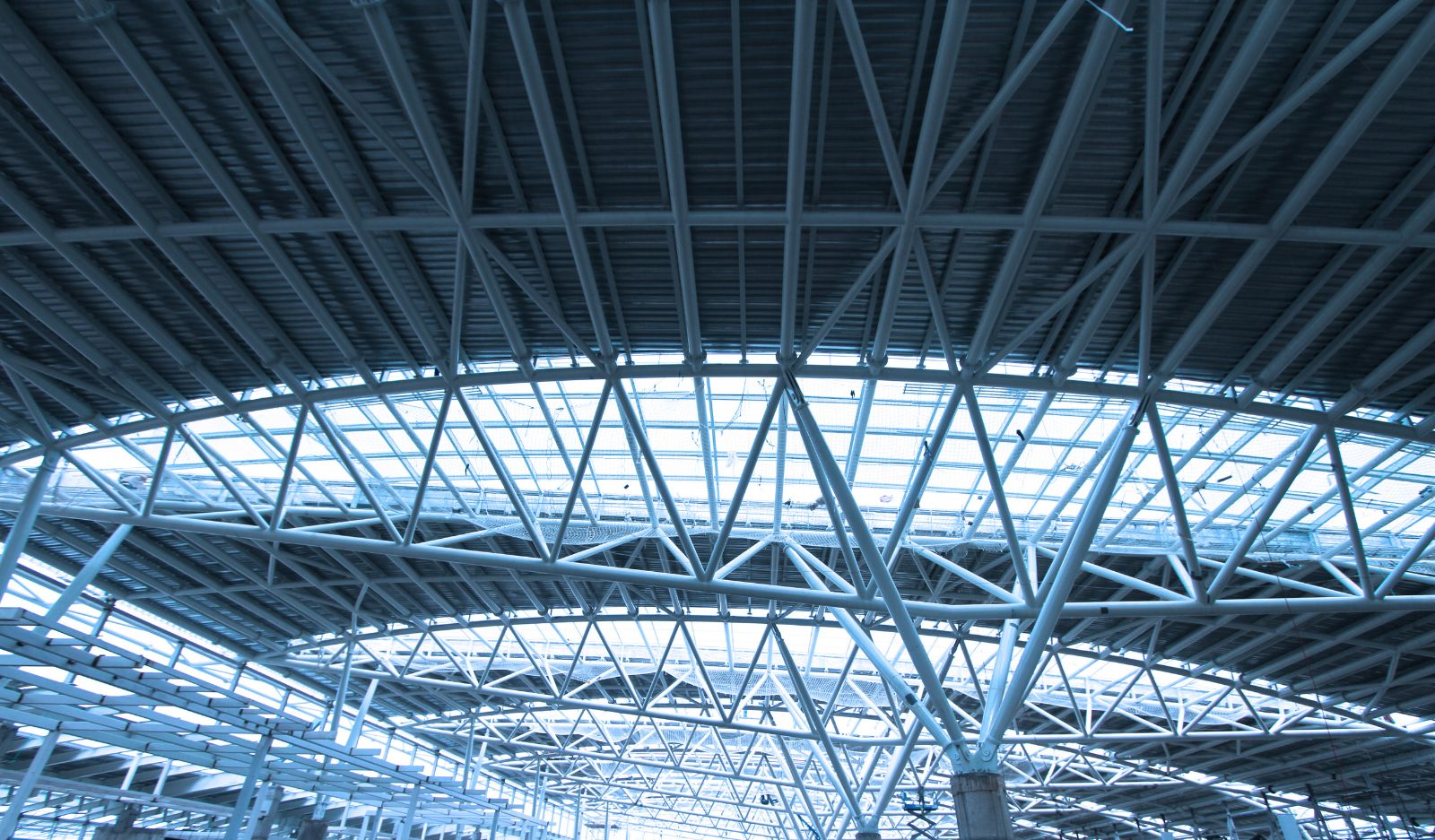
When a manufacturing plant requires structural steel capable of supporting gantry cranes, multi-level operational platforms, or heavy processing equipment, the fabricator you choose becomes a critical project partner.
The balance of precision engineering and heavy-duty manufacturing is crucial when dealing with structural steel solutions. Understanding the technical requirements and regional context of heavy-duty steel fabrication is essential, and we have some handy tips to keep in mind.
Engineering heavy-duty structural steel
When we talk about heavy-duty fabrication, we mean structural steel that needs to support serious industrial loads of 5kPa and above for operational platforms, gantry cranes rated to AS 1418 standards, and clear-span portal frames that stretch 30 meters or more without internal columns getting in the way.
Every manufacturing plant is different. Some need massive moment-resisting frames to handle wind and seismic loads. Others need bespoke platforms with anti-slip grating rated for personnel and maintenance equipment. At Steel Fabrication Services, we build large-scale beams and columns tailored to your exact operational requirements with no compromises or workarounds.
Which engineering standards need to be considered?
In manufacturing, compliance is not optional. A suite of Australian Standards governs the integrity of your steel structure, and cutting corners can mean structural failure, safety incidents, or expensive rework down the line:
- AS 4100
This is your baseline for structural steel design. It covers everything from member capacity to connection strength, and it requires engineers to account for multiple load combinations. For high-clearance facilities with overhead cranes, you’re often dealing with second-order non-linear analysis to account for P-delta effects.
- AS/NZS 1554
This governs structural steel welding, and this is where quality really matters. For heavy-duty fabrication, we use techniques like Submerged Arc Welding (SAW) to achieve deep penetration and high deposition rates on thick plate girders and box columns. Every critical weld gets non-destructive testing to ensure there are no hidden defects like porosity or inclusions that could compromise the joint under high stress.
- AS/NZS 5131
This one is for Construction Categories (CC) to classify projects based on complexity and risk. Most heavy-duty manufacturing plants in Smithfield fall under CC2 or CC3. CC3 specifically demands full material traceability and stringent quality management protocols. Every piece of steel is documented from raw material to site installation, so you know exactly what’s holding up your facility.
Which custom solutions are available?
Manufacturing plants aren’t one-size-fits-all, and neither is the steel that supports them. Here are some of the custom applications we specialise in:
- Clear-Span Portal Frames
These use rigid columns and rafters with moment-resisting connections to span large distances without internal supports. If you need flexible floor space for moving goods or installing large machinery, portal frames are the way to go.
- Gantry Crane Supports
Cranes introduce dynamic forces, and the supporting columns and beams need to be precision-manufactured to maintain structural tolerances over the long term. Even minor misalignment can lead to accelerated wheel wear or structural fatigue, so we engineer these supports to handle the real-world stresses they’ll face.
- Heavy-Duty Mezzanines
If you need more usable space without expanding your footprint, mezzanine floors can be engineered for significant load-bearing capacity (5kPa or higher for heavy machinery). If your existing concrete slab is less than 200mm thick or the underlying soil is unstable, you might need to reinforce the slab under the new steel columns. We work through these details upfront so there are no surprises on-site.
Dealing with vibration and Western Sydney’s soil
Heavy manufacturing equipment introduces vibrations that can travel through your steel structure. If the disturbing frequency of your machinery aligns with the natural frequency of your frame, you get resonance, which amplifies vibrations and can cause structural fatigue or noise issues.
We mitigate this through several strategies: inertia blocks to increase mass, spring and elastomeric isolators to interrupt the transmission path, and stiffening the structure by selecting steel members with higher moments of inertia. It’s all about keeping your machinery running smoothly without shaking your building apart.
Western Sydney’s expansive clay soils swell during heavy rains and shrink during dry spells. For heavy-duty steel structures, even minor ground movement can misalign your cranes or throw off precision machinery. Footing designs need to spread loads across larger areas or reach down to stable sandstone bedrock through deep piers. We integrate our fabrication drawings with these geotechnical requirements, so your columns and baseplates are ready for seamless integration with site footings.
How to ensure corrosion protection?
Smithfield’s industrial environment exposes steel to moisture, industrial chemicals, and high humidity. Hot dip galvanising is the gold standard; immersing the steel in molten zinc creates a metallurgical bond that provides both a physical barrier and sacrificial protection. For internal steel where aesthetics matter, we offer zinc phosphate primers, hot zinc spray (metallisation), and powder coating for a durable, UV-resistant finish.
How do we transport everything to your site?
Transporting large-scale structural steel isn’t straightforward. Many of our portal frame rafters and heavy-duty trusses exceed standard road dimensions. They’re classified as Oversize Overmass (OSOM) loads, which means specific permits, pre-approved routes, and pilot vehicles. For high-risk moves (loads wider than 6 meters or weighing more than 184 tonnes), you need a Traffic Management Plan and potentially a NSW Police escort.
We coordinate these movements to match your erection schedule, so steel arrives ready for immediate installation. Using HIAB trucks and cranes, we precisely position heavy beams and columns, even in constrained sites. It’s all about minimising on-site storage and keeping your build timeline on track.
The steel fabricators Smithfield trusts
Western Sydney’s industrial future is bright. The Aerotropolis, the Western Sydney International Airport, and projects like BlueScope’s $320 million steel factory at Erskine Park are all driving demand for advanced manufacturing infrastructure. As these facilities become more sophisticated, the structural steel that supports them must meet higher engineering and regulatory standards.
Steel Fabrication Services is here to deliver that expertise, and we have the local knowledge and logistical capability to get it done right. Talk to us about providing the structural backbone your manufacturing plant needs to thrive in Smithfield and across NSW.