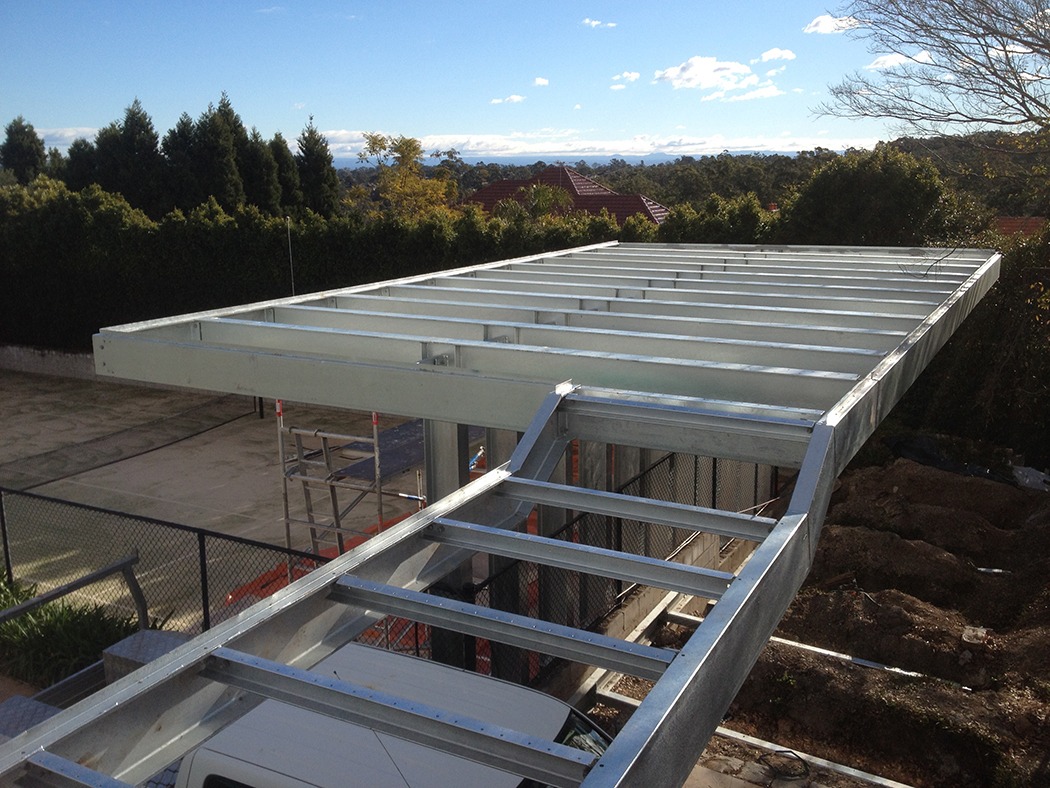
Steel fabricators play a critical role in commercial and industrial construction. They transform engineered designs into precision-manufactured steel components that form the structural backbone of buildings, warehouses, platforms, and infrastructure.
In practical terms, steel fabricators take raw steel materials and convert them into finished structural elements that are ready for safe, efficient installation on site. For builders and project managers in Sydney and across NSW, the quality of steel fabrication directly impacts structural performance, installation speed, and overall project success.
This guide explains exactly what steel fabricators do — and why professional fabrication matters in commercial construction.
The Core Role of a Steel Fabricator in Sydney
However, modern steel fabrication involves far more than cutting and welding. It requires technical expertise, precision manufacturing, quality control systems, and coordination with construction teams to ensure structural accuracy and compliance.
Professional steel fabricators:
Interpret engineering and architectural drawings
Select appropriate steel materials and sections
Cut and shape steel components to precise tolerances
Weld and assemble structural elements
Prepare components for delivery and installation
Maintain quality and safety standards throughout production
Each stage affects how smoothly a project progresses once steel arrives on site.
Step-by-Step: What Steel Fabricators Actually Do
1. Reviewing Engineering Drawings
Every fabrication project begins with detailed structural drawings.
Steel fabricators carefully review engineering plans to:
Understand load requirements
Confirm connection details
Identify tolerances
Plan fabrication sequencing
Accuracy at this stage prevents costly site modifications and delays later in the build.
2. Material Selection and Procurement
Fabricators determine the correct steel sections and grades required for the project. This may include:
Universal beams and columns
Hollow structural sections
Steel plates
Angles, channels, and custom components
Material selection must align with structural design requirements and Australian standards to ensure strength and compliance.
3. Cutting and Shaping Steel
Using specialised equipment, steel fabricators cut and shape steel to match design specifications.
This may involve:
Saw cutting
Plasma or flame cutting
Drilling bolt holes
Forming and shaping plates
Precision is critical. Even small dimensional errors can cause installation issues on site.
4. Welding and Assembly
Once components are cut and prepared, they are welded and assembled into structural elements.
High-quality welding ensures:
Structural integrity
Safe load transfer
Long-term durability
Professional fabrication workshops follow strict welding procedures and quality control checks to maintain consistent standards.
5. Surface Preparation and Corrosion Protection
Depending on the project requirements, fabricated steel may require:
Cleaning and preparation
Protective coatings
Galvanising or other corrosion-resistant treatments
Proper surface preparation helps extend the lifespan of structural steel, particularly in exposed or industrial environments.
6. Quality Control and Inspection
Before steel components leave the workshop, they are checked to confirm:
Dimensional accuracy
Weld integrity
Compliance with project drawings
Readiness for installation
Quality control reduces the risk of rework, site delays, and structural complications.
7. Delivery and Coordination with Construction Teams
Fabrication is not complete until steel arrives on site ready to install.
Professional steel fabricators coordinate with builders and project managers to ensure:
Timely delivery
Logical installation sequencing
Minimal disruption to site operations
This coordination is especially important for commercial and industrial projects where delays can be costly.
Why Steel Fabrication Quality Matters in Commercial Projects
Structural steel is the backbone of a building. Errors in fabrication can result in:
Misaligned connections
Installation delays
Costly rework
Compromised structural performance
Accurate fabrication ensures:
Faster installation
Improved structural reliability
Reduced project risk
Greater long-term durability
For commercial projects in Sydney and NSW, working with an experienced steel fabricator helps ensure that engineered designs translate accurately into real-world structures.
Steel Fabricators vs Steel Suppliers
It is important to distinguish between steel suppliers and steel fabricators.
Steel suppliers provide raw materials.
Steel fabricators transform those materials into ready-to-install structural components.
Fabrication involves:
Technical interpretation
Custom manufacturing
Structural assembly
Quality assurance
This value-added process is what enables builders to move efficiently from design to construction.
What to Look for in a Steel Fabricator
When selecting a steel fabrication partner, consider:
Experience with commercial and industrial projects
Understanding of structural steel systems
Workshop capabilities and equipment
Quality control processes
Ability to coordinate with project timelines
The right steel fabricator does more than manufacture components — they contribute to the overall success of the build.
Steel Fabrication in Sydney and NSW
In Sydney’s commercial construction environment, steel fabrication must meet strict engineering standards while maintaining efficiency and coordination across multiple trades.
Experienced fabricators understand:
Local construction requirements
Site access and scheduling challenges
Compliance expectations
The importance of clear communication
This experience helps minimise risk and keep projects moving forward.
Final Takeaway
Steel fabricators transform structural designs into the physical framework that supports buildings, warehouses, platforms, and infrastructure.
From reviewing engineering drawings to delivering precision-manufactured steel components ready for installation, fabrication plays a central role in structural performance and project efficiency.
Working with a professional steel fabrication team ensures that your project benefits from accuracy, coordination, and reliable structural outcomes.
👉 Speak with our team to discuss your steel fabrication requirements for commercial and industrial projects.