Professional steel fabrication is not just about shaping steel — it’s about precision, consistency, and execution under real construction constraints. The quality of fabricated steel components is determined by the equipment used, the techniques applied, and the experience behind them.
For commercial and industrial projects across NSW, advanced fabrication equipment and proven techniques are essential to ensure steel arrives accurate, compliant, and ready for efficient installation.
This guide explains the key equipment and fabrication methods used in modern steel fabrication and why they matter to builders, contractors, and project managers.
Why Equipment and Technique Matter in Steel Fabrication
In steel fabrication, small inaccuracies can lead to major problems on site. Poor cutting, inconsistent welding, or inadequate forming can result in:
Delayed installation
Costly rework
Misalignment with other trades
Structural and safety risks
Professional steel fabrication relies on the right tools combined with skilled workmanship to ensure every component meets specification before it reaches site.
Modern steel fabrication workshops use specialised equipment designed for accuracy, efficiency, and repeatability.
> Steel Cutting Equipment
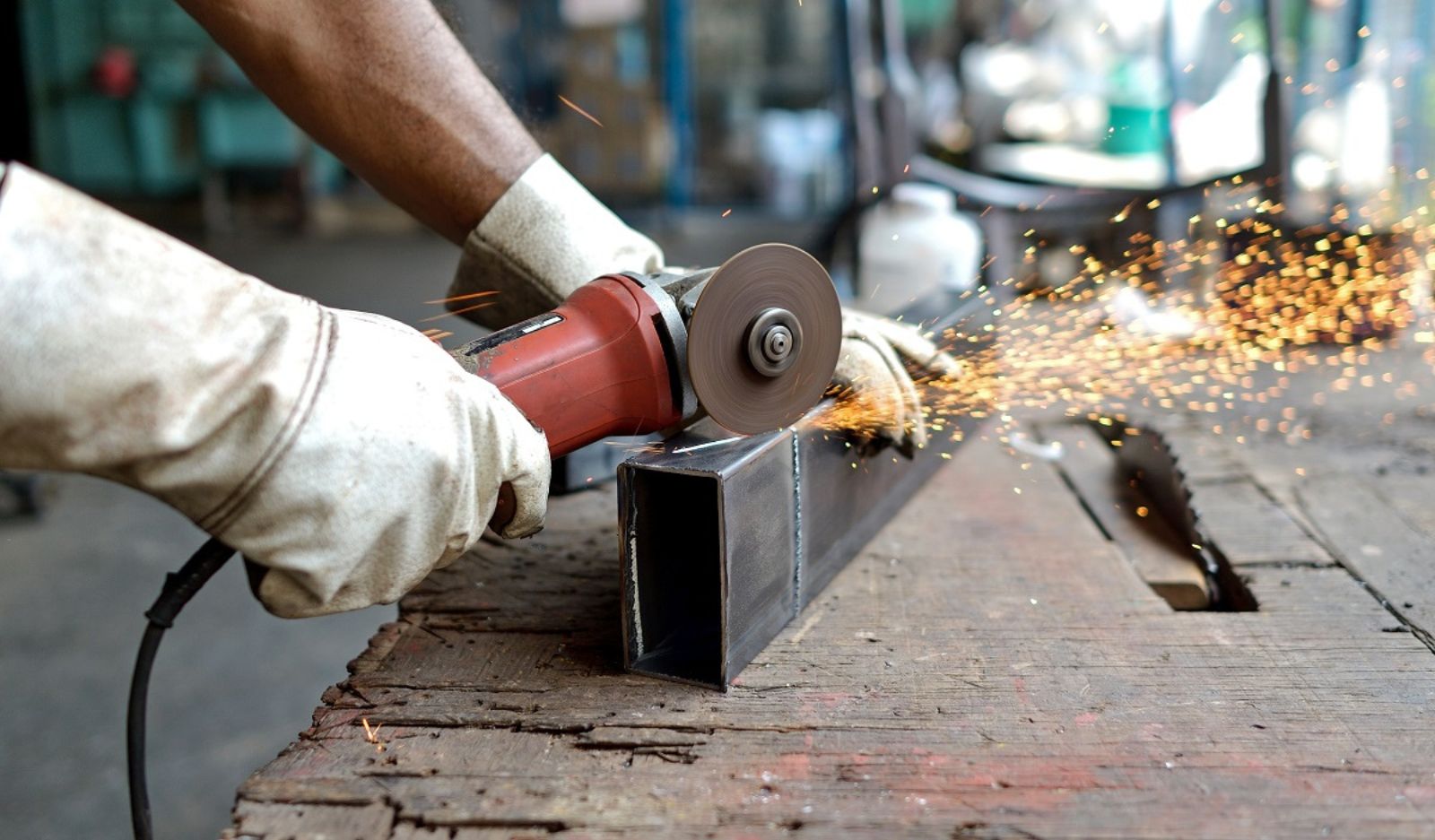
Cutting is the foundation of fabrication accuracy. Steel must be cut precisely to ensure correct fit-up during assembly and installation.
Common cutting methods include:
Mechanical saws
Profile cutting machines
Precision cutting systems for structural steel
Why it matters:
Accurate cutting reduces on-site adjustments, speeds up erection, and ensures components align correctly with engineering drawings.
> Welding Equipment and Techniques
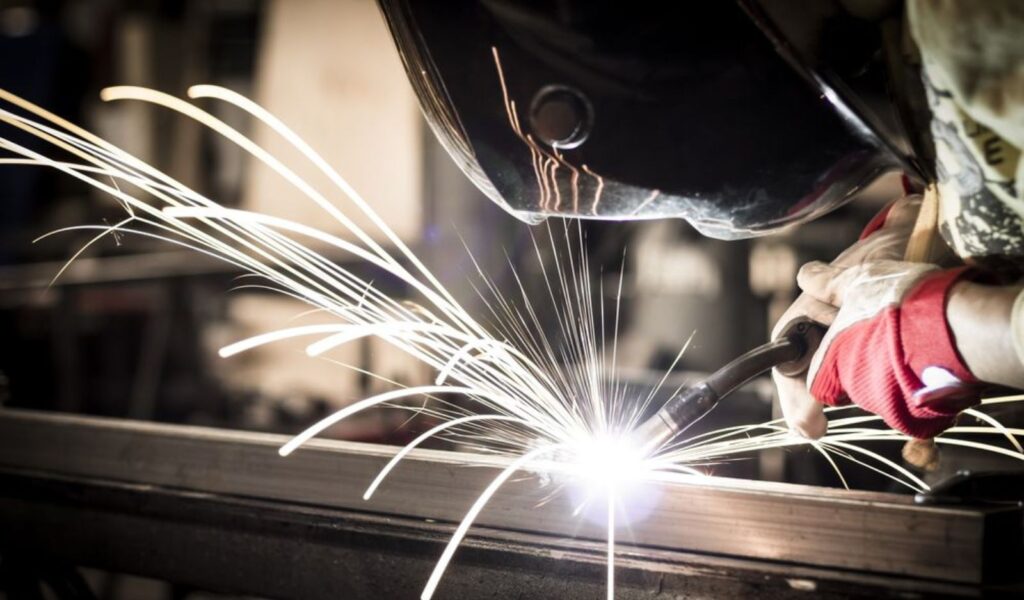
Welding is critical to the strength and durability of fabricated steel. Professional fabrication workshops use controlled welding environments to achieve consistent results.
Key welding methods include:
MIG welding
Stick welding
Structural welding for load-bearing components
Why it matters:
Quality welds ensure structural integrity, reduce the risk of failure, and comply with project and safety requirements.
> Steel Forming and Shaping Equipment
Forming equipment allows steel to be bent, shaped, or rolled to meet specific project requirements.
Common forming applications include:
Bending plates and sections
Rolling steel for curved elements
Shaping components for custom assemblies
Why it matters:
Proper forming ensures steel performs as intended without introducing stress or distortion that can affect installation.
> Drilling, Punching, and Machining Tools
Accurate hole placement and machining are essential for bolted connections and site assembly.
Typical applications include:
Bolt hole drilling
Slotting for adjustable connections
Machining for precise tolerances
Why it matters:
Accurate machining allows steel components to be assembled quickly and securely on site, reducing delays and rework.
Essential Techniques in Professional Steel Fabrication
Equipment alone is not enough. Skilled fabrication techniques ensure steel components are manufactured efficiently and reliably.
Reading and Executing Shop Drawings
Fabrication begins with accurate interpretation of shop drawings derived from engineering plans.
Key considerations include:
Dimensional accuracy
Tolerances
Coordination with other trades
This step ensures steel is fabricated correctly before any cutting or welding begins.
Fit-Up and Assembly Control
Before welding, steel components are carefully aligned and temporarily assembled to verify fit.
Why this matters:
Proper fit-up ensures final welds are accurate, minimises distortion, and avoids installation issues on site.
Quality Control and Inspection
Professional steel fabrication includes systematic quality checks throughout the process.
Quality control may include:
Visual inspection of welds
Dimensional checks
Verification against drawings
This ensures fabricated steel meets project requirements before delivery.
Preparation for Transport and Installation
Fabrication doesn’t end when welding is complete. Steel components are prepared for transport and installation.
This includes:
Labelling and sequencing
Protecting surfaces where required
Ensuring components arrive site-ready
Good preparation reduces handling issues and speeds up installation.
How Equipment and Techniques Impact Project Outcomes
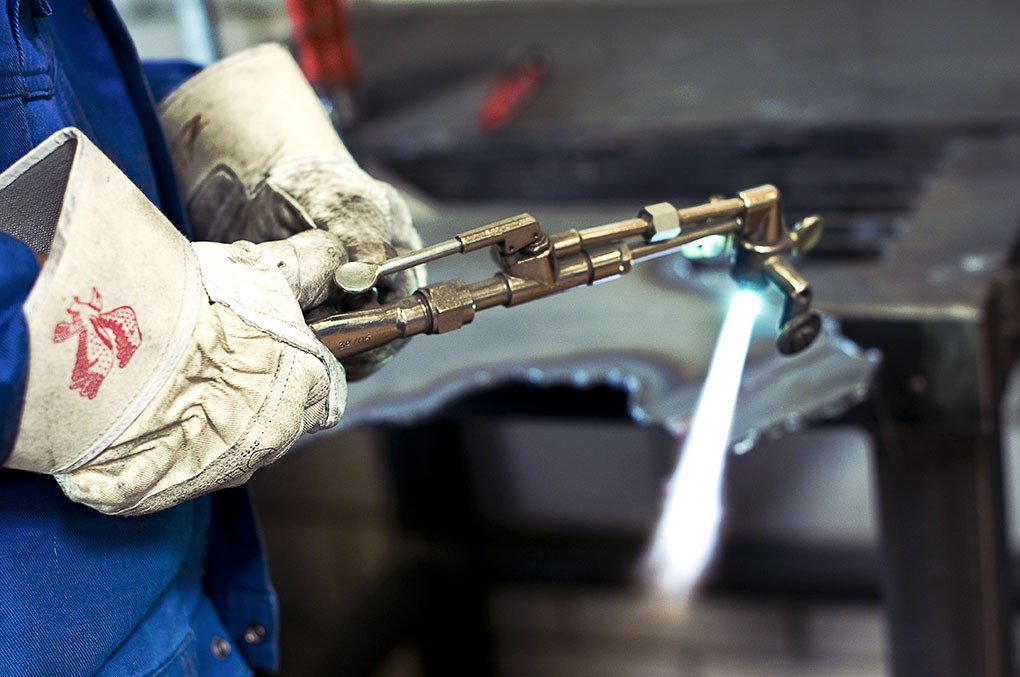
The right fabrication setup delivers real-world benefits for builders and contractors:
Faster installation on site
Reduced labour costs
Fewer construction delays
Improved safety and compliance
Predictable project timelines
Professional steel fabrication turns design intent into build-ready reality.
The Role of Professional Steel Fabrication Services
Understanding fabrication equipment and techniques highlights why choosing the right steel fabricator matters. A professional fabricator ensures:
Steel is manufactured accurately
Components fit as designed
Installation proceeds smoothly
Project risks are reduced
Steel fabrication is not just a manufacturing task — it is a critical stage in the construction process.
Speak with our steel fabrication team to discuss how professional fabrication equipment and techniques can support your project.