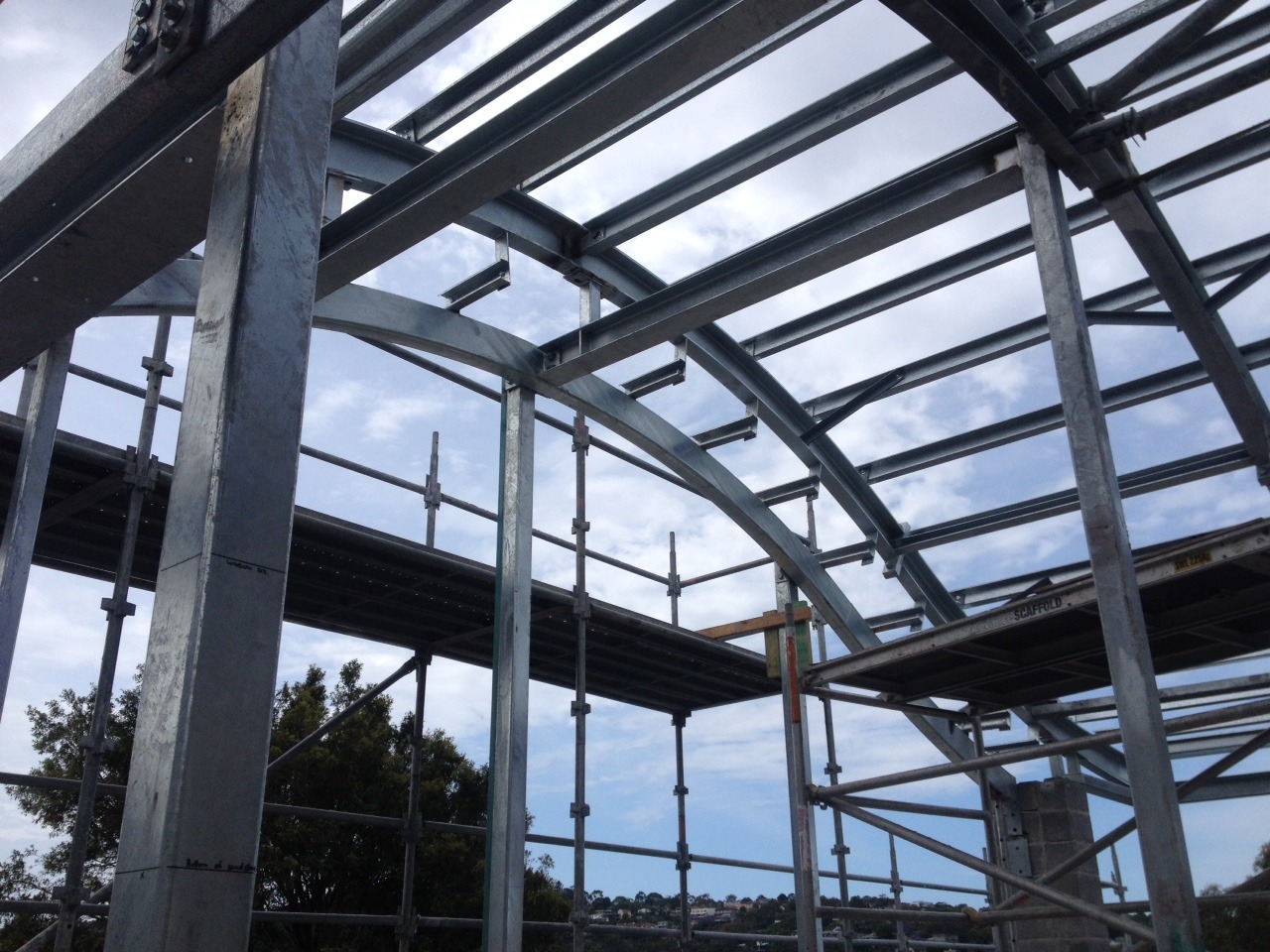
Steel fabrication is the process of transforming raw steel into custom components used in buildings, infrastructure, and industrial projects. These components are cut, welded, assembled, and finished in a controlled workshop environment before being delivered to site for installation.
In New South Wales, steel fabrication plays a critical role in commercial, industrial, and structural construction, where accuracy, compliance, and reliability are non-negotiable. For builders, developers, and project managers, professional steel fabrication is not just about shaping steel — it’s about ensuring structural integrity, build efficiency, and project success.
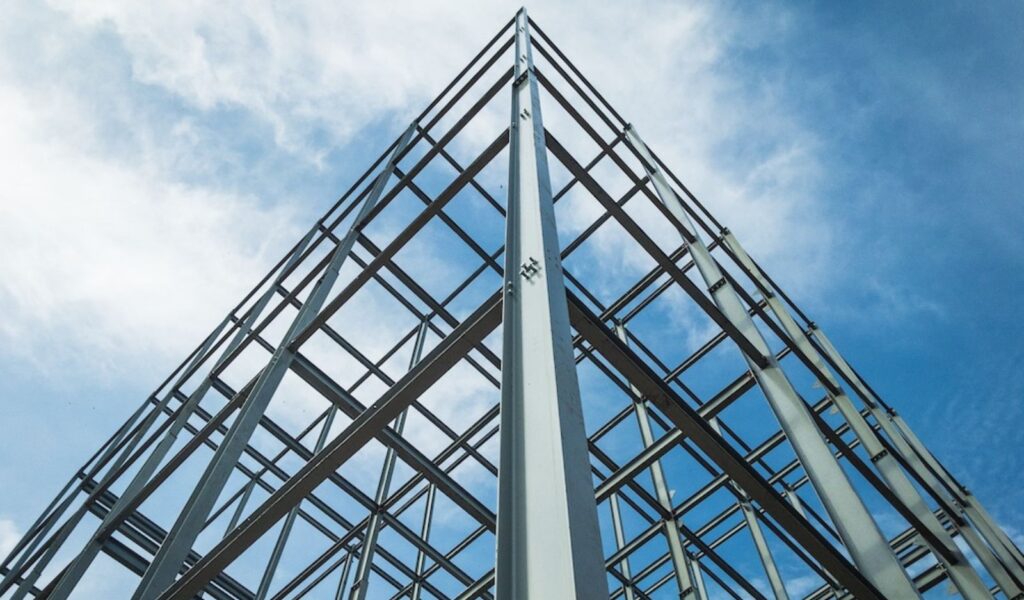
What Is Steel Fabrication?
Steel fabrication involves manufacturing steel elements to precise specifications based on engineering drawings and project requirements. Unlike off-the-shelf steel products, fabricated steel is custom-made to suit the unique needs of each project.
Fabricated steel is commonly used for:
Commercial and industrial buildings
Warehouses and logistics facilities
Retail and mixed-use developments
Platforms, stairs, handrails, and custom steel assemblies
In commercial construction, steel fabrication must meet strict tolerances, safety standards, and coordination requirements to ensure it integrates seamlessly with other trades on site.
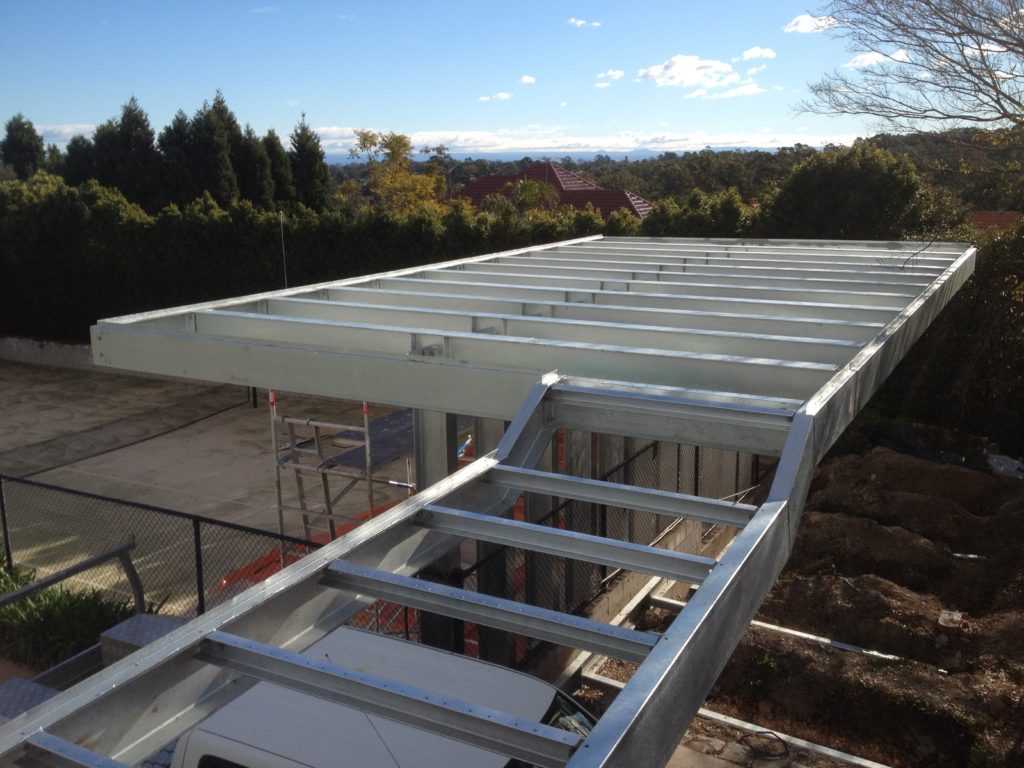
The Steel Fabrication Process: How It Works
Professional steel fabrication follows a structured process to ensure accuracy, strength, and compliance.
1. Design & Shop Drawings
The process begins with detailed shop drawings based on architectural and structural engineering plans. These drawings ensure every steel component is fabricated to exact dimensions and specifications.
2. Cutting & Profiling
Steel sections are cut using specialised machinery to achieve precise lengths and profiles. Accuracy at this stage is critical to avoid delays or costly on-site modifications.
3. Welding & Assembly
Skilled welders assemble components according to approved drawings. Structural welds are completed under controlled conditions to ensure strength and consistency.
4. Finishing & Quality Control
Steel components may be cleaned, treated, or coated as required. Quality checks are carried out to ensure compliance with project requirements before delivery.
5. Delivery to Site
Fabricated steel is transported to site, ready for efficient installation — reducing downtime and keeping construction programs on track.
Common Applications of Steel Fabrication
Steel fabrication is essential across a wide range of commercial and industrial applications, including:
Structural steel frameworks for buildings
Warehouses and factories requiring long spans and high load capacity
Retail refurbishments and fit-outs
Industrial platforms, stairs, and access systems
Custom steel solutions for complex or space-restricted sites
Because fabricated steel is custom-made, it allows builders to achieve structural efficiency while maintaining design flexibility.
Metal Types and Categorisation: Ferrous and Non-Ferrous
The world is abundant with various types of metals, each with its own subtypes that extend further. Categorizing metals relies on numerous properties that ultimately determine their most suitable applications. One prominent classification is the distinction between ferrous and non-ferrous metals.
Non-ferrous metals have been used for thousands of years. Their use in civilisation dates back to the discovery of copper around 5000BC, marking the end of the Stone Age. The use of ferrous metals dates only as far back as around 1200BC, at the beginning if the Iron Age. Let’s take look at the difference between the two.
Ferrous Metal
Here at Steel Fabrication Services, we are most familiar with ferrous metals, steel being a prime example of this kind of material. Ferrous metal are favoured for their high tensile strength and durability, and thus are ubiquitous in building and construction. They are also common in shipbuilding, piping, civil and industrial infrastructure (bridges, railroads etc), and tools. Ferrous metals contain carbon, meaning the are susceptible to corrosion. Most are magnetic.
Common examples of ferrous metal include different types of steel, such as carbon steel and alloy steel, which are made by adding carbon to iron (plus other alloys in some circumstances); wrought iron, which is almost pure iron (with a little carbon) and is great for fencing, railings, nails, chains etc; and cast iron, which is made from iron, carbon, and silicon, which is used in piping, for tools and car engines, and stoves.
Non-Ferrous Metals
Non-ferrous metals are those that do not contain iron, and therefore are not magnetic, and are resistant to corrosion. Their main advantage over ferrous materials is their versatility – they have many uses outside of structural applications, and you will find them in everything from your smartphone, to jewellery, screws, wiring and appliances.
Common examples of non-ferrous metals include, lead, which is used in piping, batteries, and fuel; aluminium, which is used in food packaging, appliances, and vehicles; brass, which is used in screws, door knobs, and fixtures; silver, which is used for jewellery, cutlery, and household items like mirrors and vases; and copper, used for wiring, piping and more.
Key Differences between ferrous and non-ferrous metals
- Ferrous metals are vulnerable to rust, whereas non-ferrous metals usually resist corrosion.
- Ferrous metals are magnetic, but non-ferrous metals are not.
- Non-ferrous metals are much lighter than ferrous metals.
- Non-ferrous metals are often more expensive than ferrous metals.
Why Professional Steel Fabrication Matters
In commercial construction, poor steel fabrication can cause serious issues — from installation delays to structural non-compliance. Working with an experienced steel fabricator helps prevent:
Misaligned steel that delays erection
Cost blowouts due to rework
Safety risks caused by sub-standard welds
Coordination issues with other trades
Professional fabrication ensures steel arrives ready to install, saving time on site and reducing overall project risk.
Steel Fabrication in NSW: What to Look For
When selecting a steel fabricator for a NSW project, builders and developers should consider:
Proven experience with commercial and industrial projects
Workshop-based fabrication (not outsourced brokering)
Ability to deliver custom steel solutions
Reliable turnaround times for Sydney and Greater NSW
Clear communication and coordination with builders
Local knowledge and hands-on fabrication capability make a measurable difference in project outcomes.
Why Choose Steel Fab Services?
Steel Fab Services provides custom steel fabrication solutions for commercial and industrial projects across NSW. Our team works closely with builders, contractors, and project managers to deliver steel components that meet structural, scheduling, and budget requirements.
We focus on:
Precision fabrication
Practical, build-ready steel solutions
Reliable delivery timelines
Clear coordination with construction teams
Whether you’re planning a new build, expansion, or refurbishment, professional steel fabrication is the foundation of a strong, efficient structure.
Frequently Asked Questions About Steel Fabrication
What is steel fabrication used for?
Steel fabrication is used to create structural and custom steel components for commercial, industrial, and construction projects.
How long does steel fabrication take?
Timeframes vary depending on project size and complexity, but professional fabrication helps reduce delays during installation.
What’s the difference between structural steel and general steel fabrication?
Structural steel focuses on load-bearing elements, while general fabrication may include platforms, stairs, and custom steel features.
Do you offer custom steel fabrication in NSW?
Yes — custom steel fabrication allows components to be tailored to specific project requirements and site conditions.
How much does steel fabrication cost?
Costs depend on design complexity, material specifications, and project scale. A professional fabricator can provide accurate pricing based on drawings and scope.